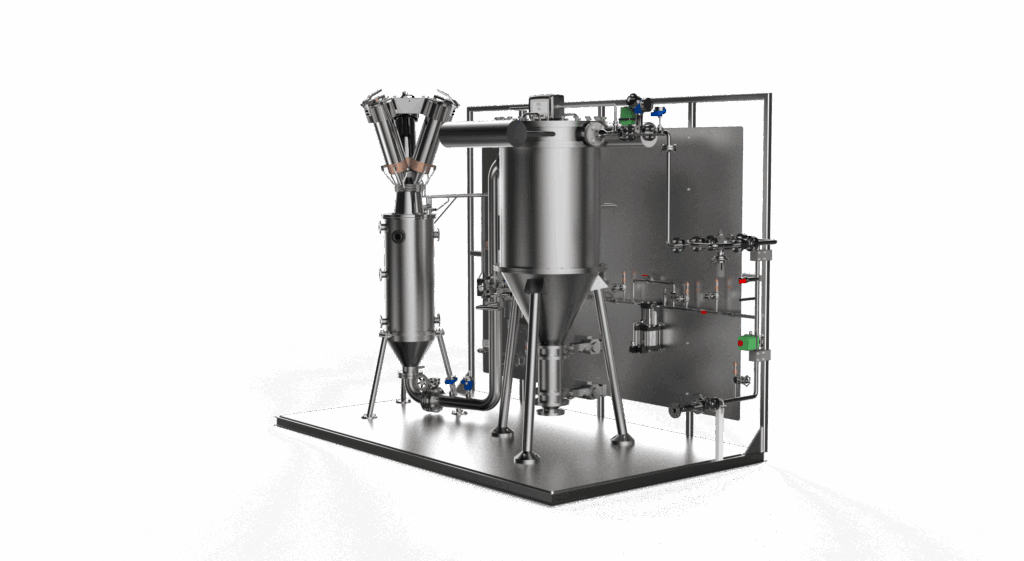
HyPlasma® Technology.

COMBINING VALUABLE PRODUCTS AT COMPETITIVE COST.

Modular production units adapted to industrial operating requirements.

Image linkImage link
How does methane pyrolysis work

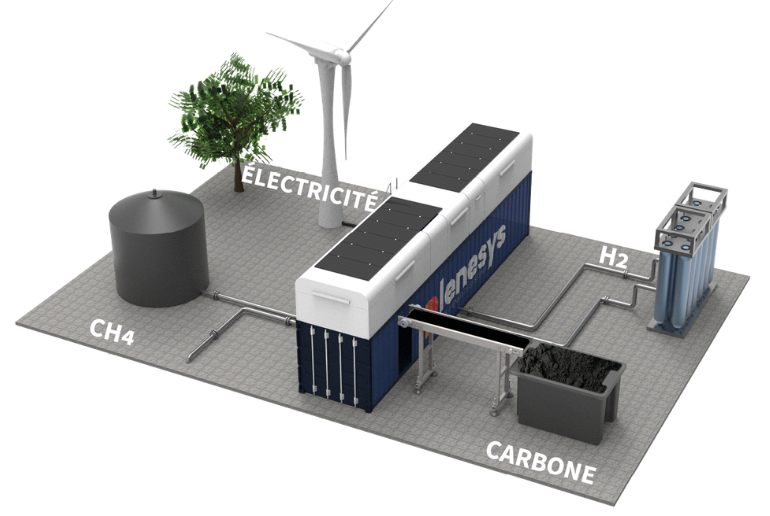
Hyplasma® is a plasma-based methane pyrolysis process that converts methane into hydrogen and solid carbon without direct CO₂ emissions. Unlike steam methane reforming (SMR), the process does not involve combustion or oxidation, enabling low-carbon hydrogen production while recovering solid carbon as a valuable co-product.

Image linkImage link
Affordable Solution.

the most cost-effective solution FOR CLEAN HYDROGEN PRODUCTION

Technical features.

Discover the main features of HyPlasma®.

Combined valuable product.

HyPlasma® enables the simultaneous production of clean hydrogen and high-value solid carbon in a single process, without direct CO₂ emissions. Conventional routes typically rely on separate, energy-intensive processes for hydrogen production and carbon handling, increasing complexity and cost.

Competitive cost.

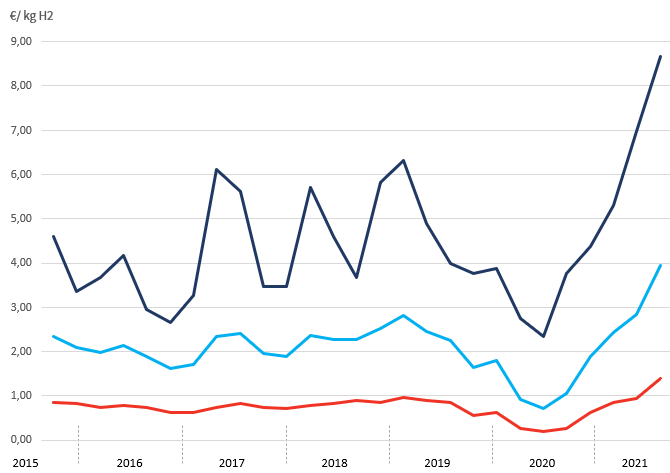
HyPlasma® offers low and stable production costs compared to conventional low-carbon hydrogen technologies. Unlike water electrolysis, which is highly sensitive to electricity prices, methane pyrolysis requires significantly less electrical energy per kilogram of hydrogen produced. In addition, the recovery and valorization of solid carbon as a co-product provides an additional revenue stream that can substantially reduce the net cost of hydrogen production. With limited maintenance requirements, economical consumables, and a simplified electrical architecture without an AC/DC rectifier, HyPlasma® represents a competitive alternative for traditional industrial hydrogen production.

Environmentally friendly.

HyPlasma® is based on a methane pyrolysis process without combustion, avoiding direct CO₂ emissions at the point of hydrogen production. By converting methane into hydrogen and recoverable solid carbon, the process provides a low-carbon alternative to conventional reforming routes. This approach aligns with industrial climate-neutrality objectives while enabling the valorization of carbon rather than releasing it as CO₂.

Low footprint.

Thanks to its optimized and pressurized design, the HyPlasma® system has a limited physical footprint compared to conventional hydrogen technologies. Operating at pressures of up to 6 barg reduces internal gas volumes and downstream equipment size, enabling more compact plant layouts. This compactness facilitates integration into existing industrial sites where space constraints are critical.

HyPlasma® Process.

THE MOST COST-EFFECTIVE SOLUTION

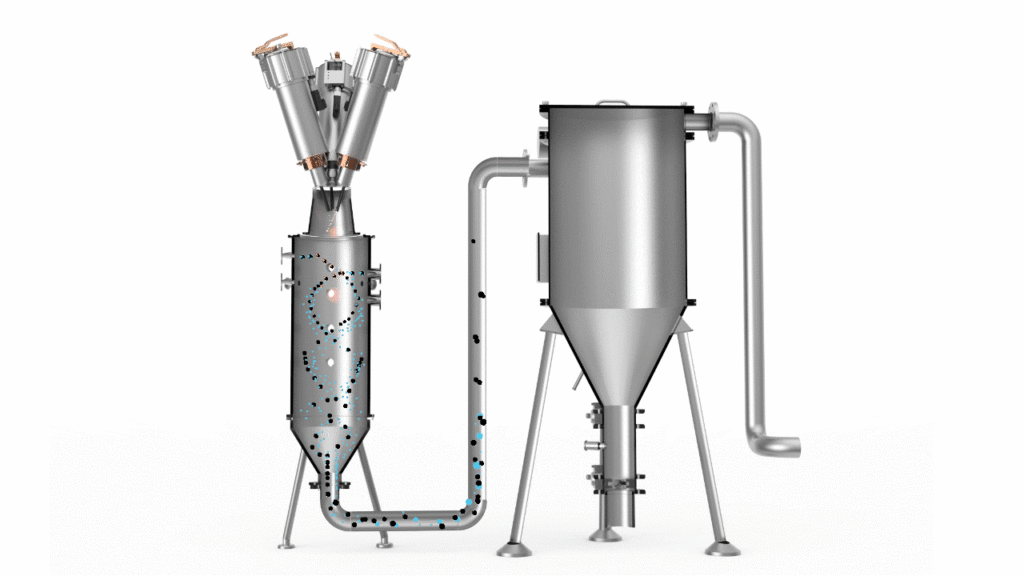
This video illustrates the methane pyrolysis reaction, resulting in the production of hydrogen and solid carbon.

100KW UNIT :

SUITABLE FOR SMALL-SCALE AND SPECIFIC GRADES OF CARBON GAS FEEDSTOCK

Natural Gas, Biogas, flare gas, etc.

POWER

30 – 100kW

OPERATING PRESSURE

1 – 6 barg

ELECTRICAL INPUT

380/400 VAC 3 PH 50 Hz

PRODUCTION CAPACITY

H2: 7 kg/year (59 t/year)

Cs: 21 kg/h (179 t/year)

CONSUMABLES

Graphite Electrodes, Inert gas for startup and cleaning

DIMENSIONS

Containerized (2 containers)

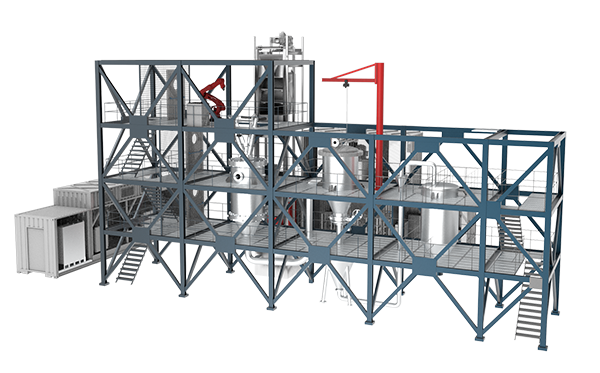
2MW PLANT :

SUITABLE FOR LARGE PRODUCTION CAPACITY

GAS FEEDSTOCK

Natural Gas, Biogas, flare gas, etc.

POWER

30 – 100kW

OPERATING PRESSURE

1 – 6 barg

ELECTRICAL INPUT

380/400 VAC 3 PH 3 MVA

PRODUCTION CAPACITY

H2: 140 kg/year (1 190 t/year)

Cs: 380 kg/h (3 570 t/year)

CONSUMABLES

Graphite electrodes, Inert gas for startup and cleaning

DIMENSIONS

3 floor structure, ~100 m2 of footprint
This site is registered onpixfort.comas a Staging site. Switch to a live site activation to remove this banner.
Learn how to migrate to live site