Clean hydrogen and carbon black, from (bio)methane.
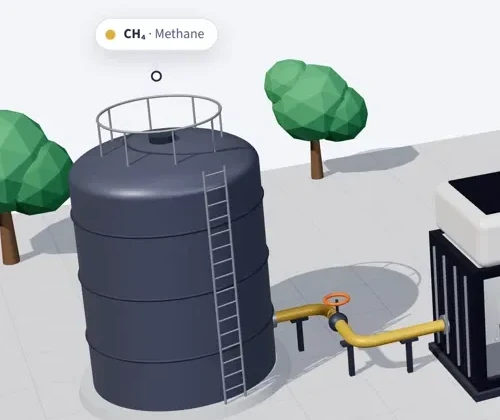
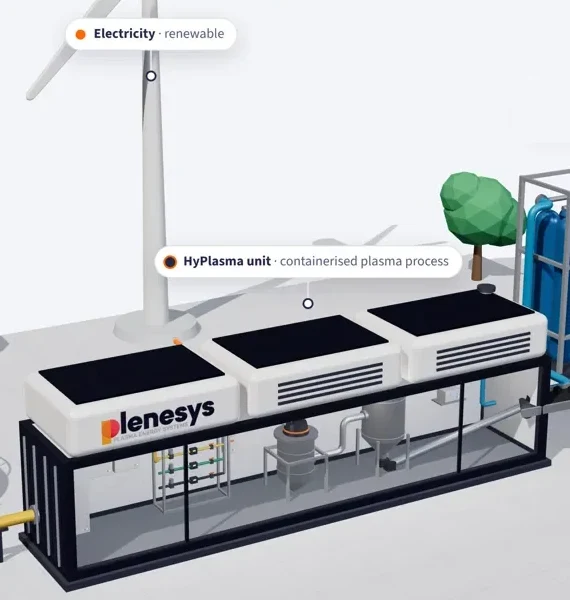
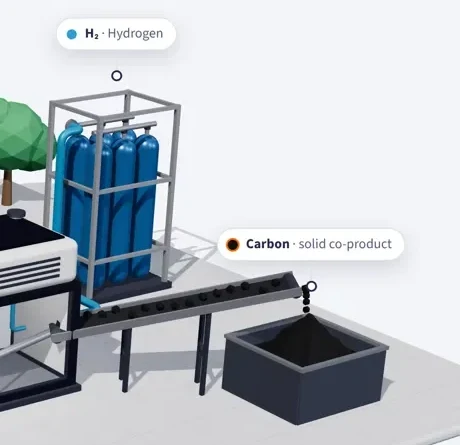
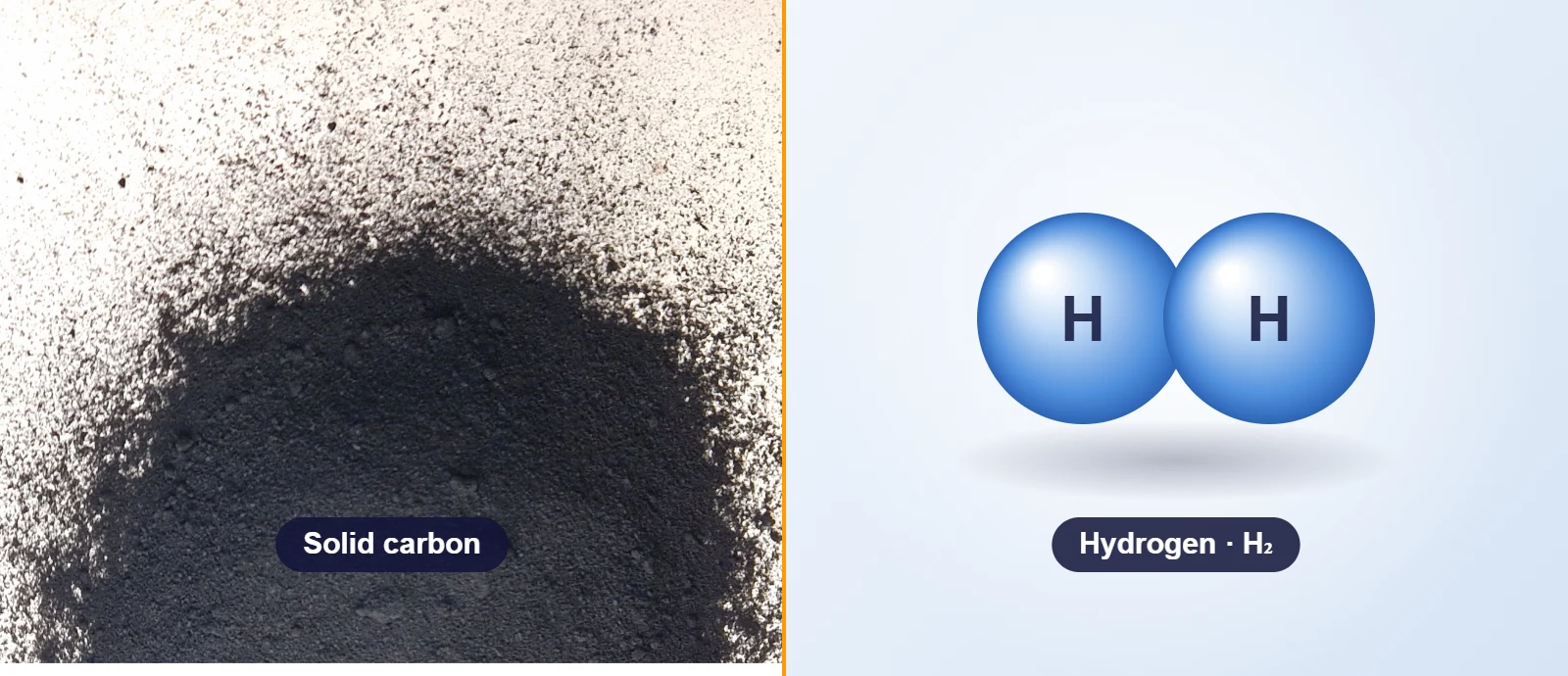
Modular, turnkey production units adapted to industrial operating requirements: the plasma arc splits methane into hydrogen and solid carbon, with no combustion and no direct CO₂.
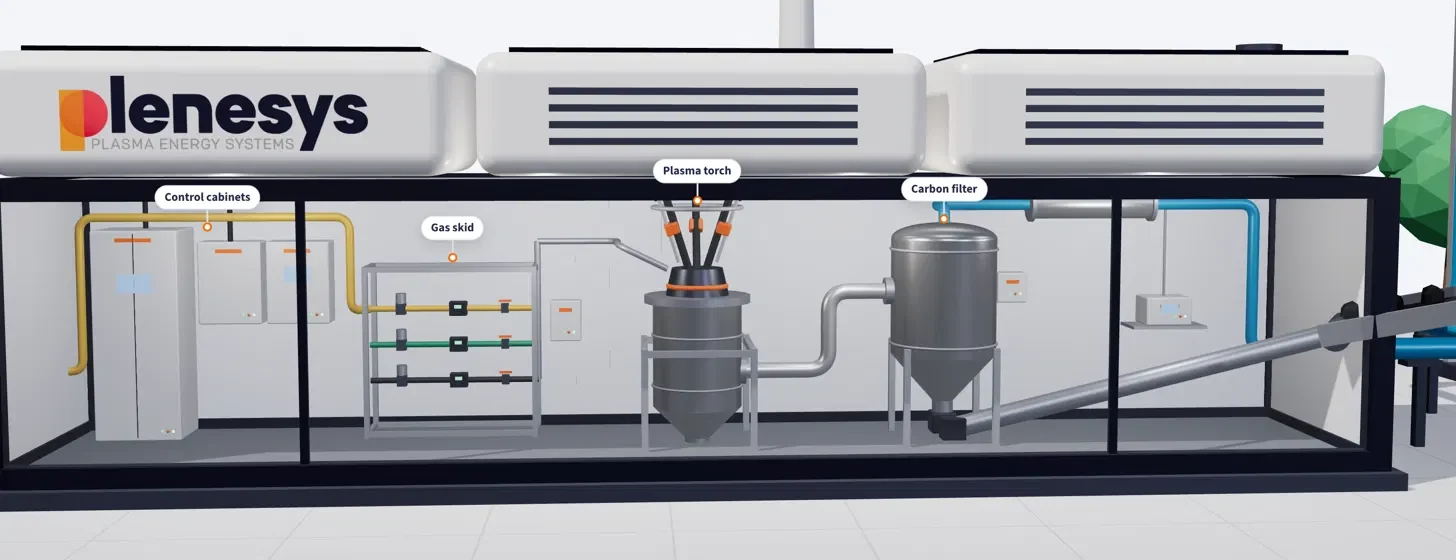
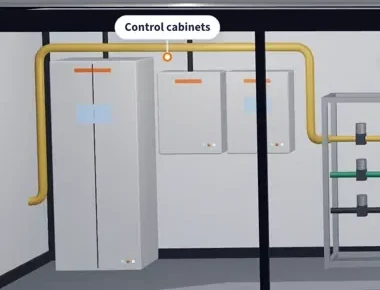
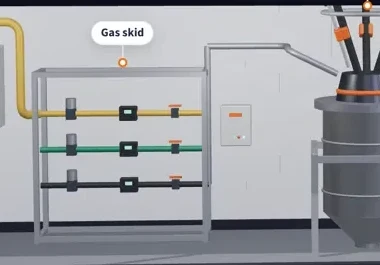
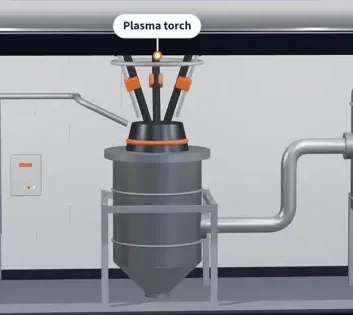
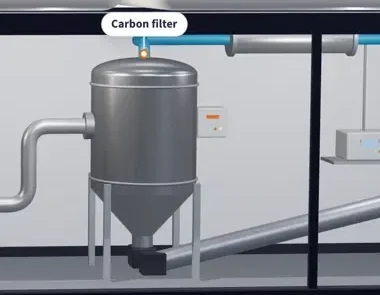
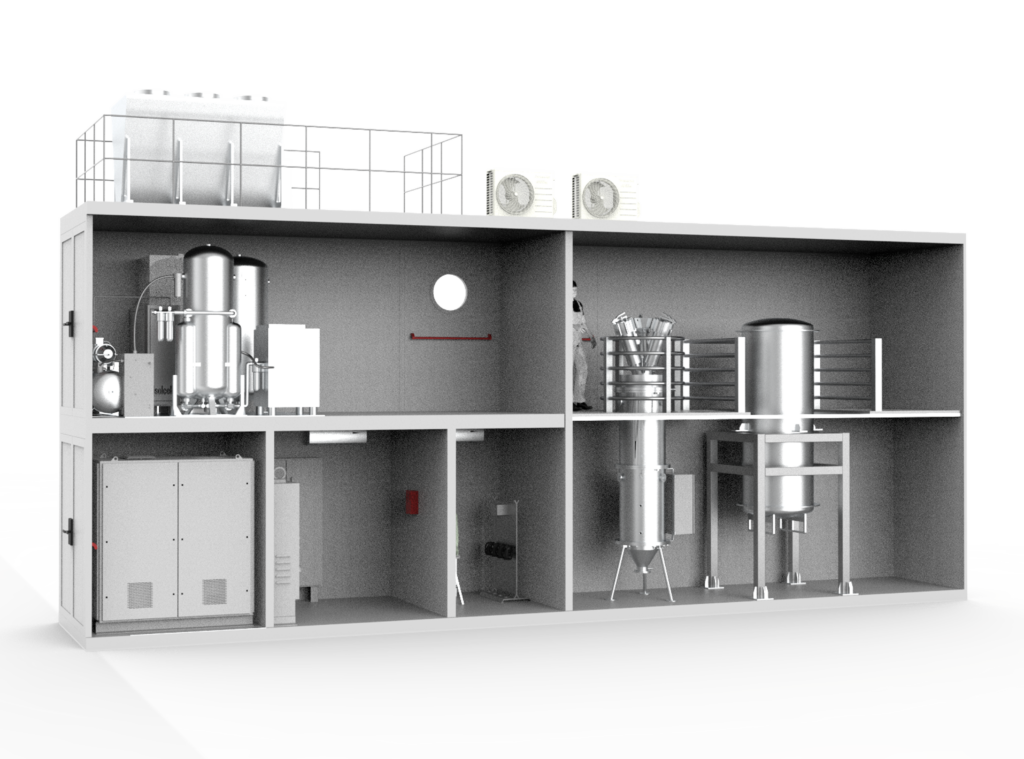
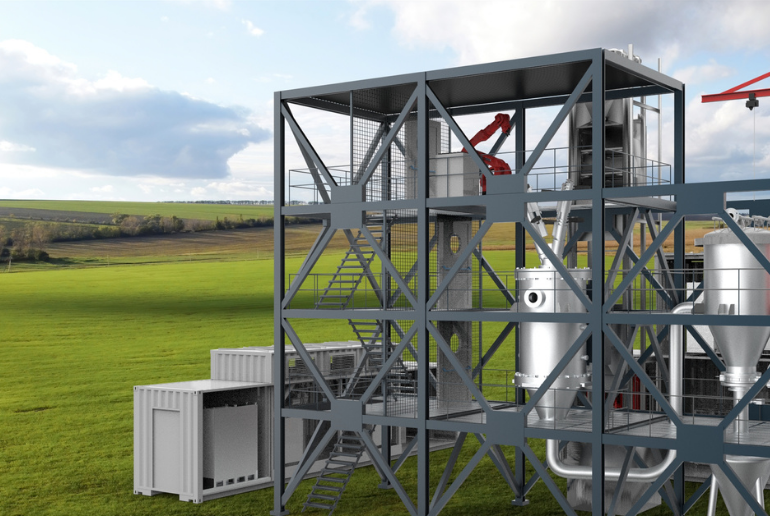
The whole process in one containerised unit: power and control, gas feed, the plasma reactor and the carbon separation.
Control cabinets
Power supply and control of the plasma torch.
Gas skid
Meters the methane, and the inert gas used for start-up and cleaning.
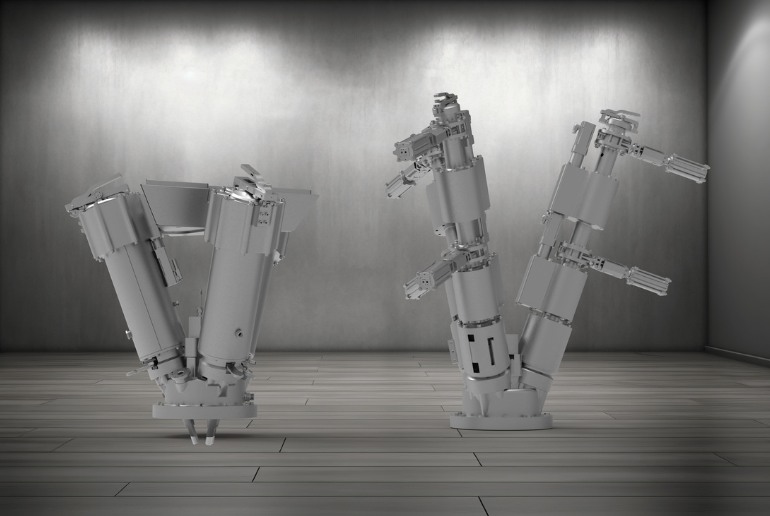
Plasma torch
The three-phase torch on top of the reactor, where methane splits into hydrogen and carbon.
Carbon filter
Separates the solid carbon from the hydrogen; a screw conveyor carries it out.
Technical features
The most cost-effective route to clean hydrogen.
Combined valuable products
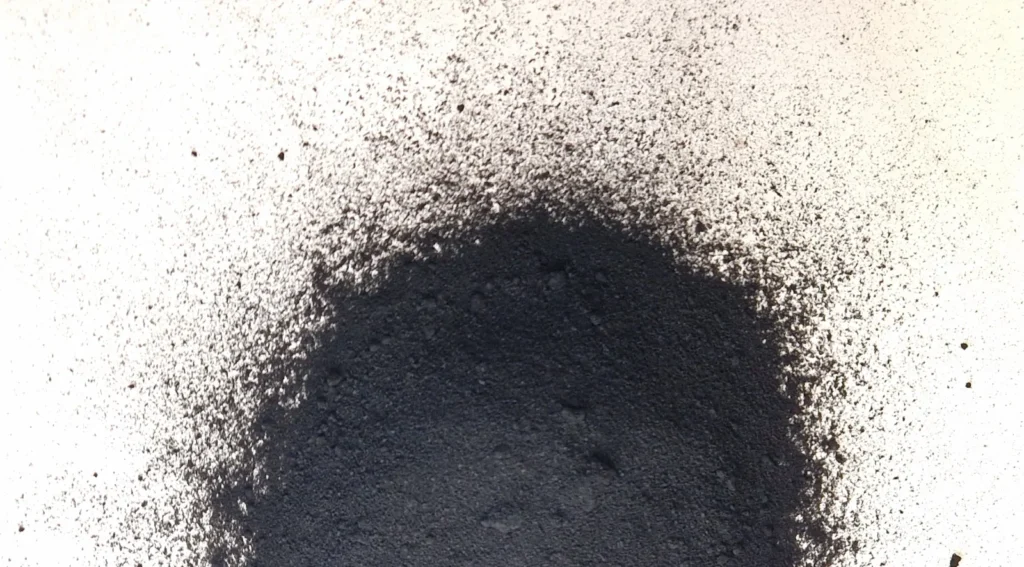
Clean hydrogen and high-value solid carbon in a single process, without direct CO₂. Conventional routes rely on separate, energy-intensive processes for hydrogen production and carbon handling.
Electricity per kg of H2
Water electrolysis
HyPlasma®
up to 3× less
+ solid carbon, a second product to sell
Competitive cost
Low, stable production costs compared with conventional low-carbon hydrogen. Methane pyrolysis needs far less electrical energy per kilogram of hydrogen than water electrolysis, and the solid carbon co-product adds a revenue stream. Limited maintenance, economical consumables and no AC/DC rectifier keep the architecture simple.
Environmentally friendly
A methane pyrolysis process without combustion: no direct CO₂ at the point of hydrogen production. Carbon is recovered as a product rather than released as CO₂ — in line with industrial climate-neutrality objectives.
Low footprint
An optimised, pressurised design: operating at up to 6 barg reduces internal gas volumes and downstream equipment size, so the plant fits existing industrial sites where space is critical.
Competitive cost
What a kilogram of hydrogen costs in Europe.
In 2025, HyPlasma® is on par with steam methane reforming once SMR’s carbon cost is counted, and 2.6 times cheaper than electrolysis. Point at a year for every value.
SMR pays for the CO₂ it emits; HyPlasma® has no direct CO₂, so its cost does not move with the carbon price. Pick a year, then move the carbon price.
EU ETS 2025: €72
SMR + carbon cost = SMR + carbon price × about 10 kg of CO₂ per kg of hydrogen, the ratio in the figures of the first view.
Sources: European Hydrogen Observatory (2024); BloombergNEF; Trading Economics (EU ETS annual average); Burckhardt Compression. HyPlasma®: Plenesys estimate. EU averages, € per kg of hydrogen.
SEE THE REACTION
Methane in. Hydrogen and solid carbon out.
This animation illustrates the methane pyrolysis reaction inside the HyPlasma® reactor, resulting in hydrogen and solid carbon.
Specifications
Two sizes, side by side.
Specifications can be adapted to project-specific requirements.
100 kW unit
Containerised · 2 containers
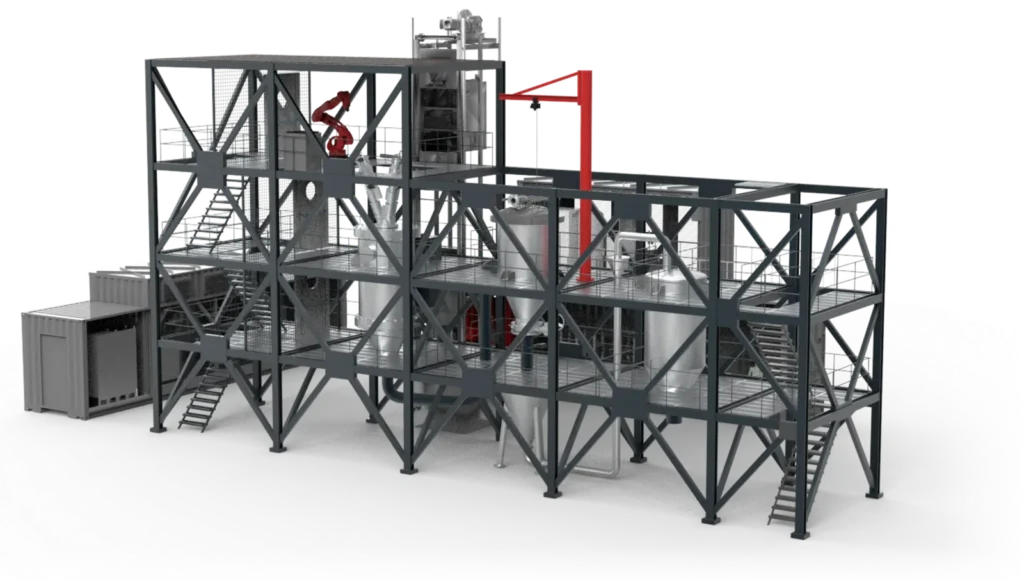
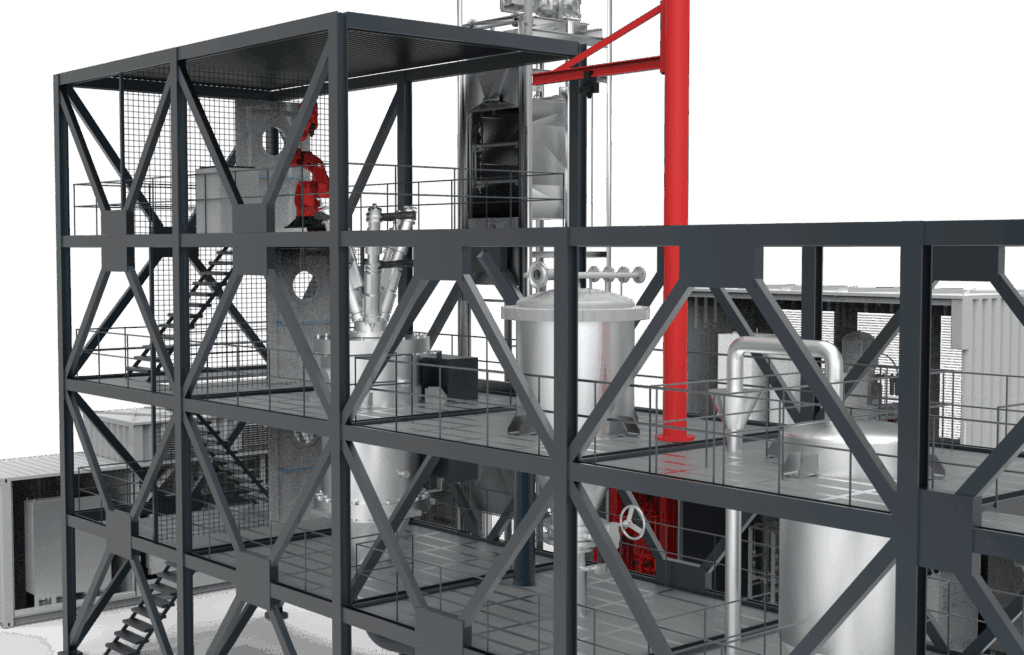
2 MW plant
Three-floor structure · ~100 m²
POWER
100 kW unit
30 – 100 kW
2 MW plant
2 MW
HYDROGEN OUTPUT
100 kW unit
7 kg/h59 t/year
2 MW plant
140 kg/h1,190 t/year
SOLID CARBON OUTPUT
100 kW unit
21 kg/h179 t/year
2 MW plant
380 kg/h3,570 t/year
OPERATING PRESSURE
100 kW unit
1 – 6 barg
2 MW plant
1 – 6 barg
GAS FEEDSTOCK
100 kW unit
Natural gas, biogas, flare gas…
2 MW plant
Natural gas, biogas, flare gas…
ELECTRICAL INPUT
100 kW unit
380/400 VAC · 3-phase · 50 Hz
2 MW plant
380/400 VAC · 3-phase · 3 MVA
CONSUMABLES
100 kW unit
Graphite electrodes · inert gas for start-up and cleaning
2 MW plant
Graphite electrodes · inert gas for start-up and cleaning
FOOTPRINT
100 kW unit
2 containersContainerised
2 MW plant
~100 m²3-floor structure
Highlighted rows are the two product outputs: hydrogen and solid carbon.